
Loss, Memory, and Impermanence
Memoirs of a GeishaThis thread traces how deaths, separations, and changing places teach Sayuri to recognize grief as a lasting part of memory rather than an event she can simply escape.
increasing Bearing strength in each event
 decreasing
Bearing strength in each eventdecreasingThe Family Graves
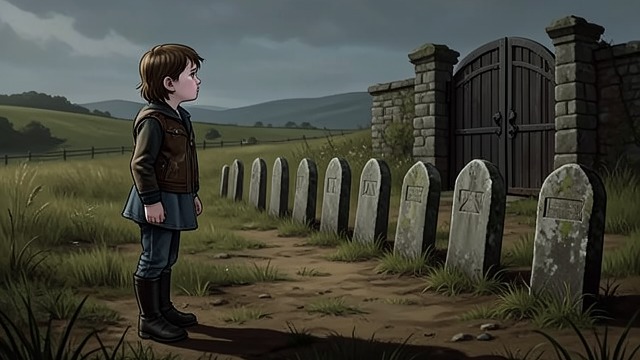
The Family Graves
A child encounters family history
Sayuri’s mother brings her to the graves of her father’s first wife and children. Sayuri learns that her father has already lost an entire family, a fact that changes her understanding of his age and quietness.
Grief made physical
Standing by the graves, Sayuri experiences sadness as a weight pulling her downward. The image gives emotional loss a bodily presence before she has the language to explain it.
A pattern of absence
The scene foreshadows the losses that will shape her own life. It also complicates her view of family: her parents carry histories of grief that Sayuri had not known while living inside their small home.
The Loss of Home
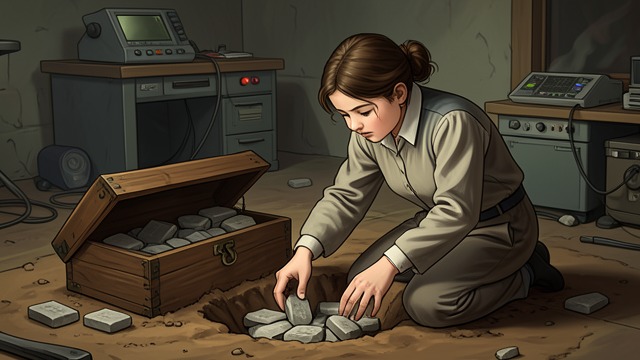
The Loss of Home
News carried from Yoroido
A letter from Mr. Tanaka tells Sayuri that both parents have died and that Satsu has left again. The news ends the possibility that Sayuri has preserved a route back to her old family life.
Grief and the abandoned future
Sayuri’s childhood hope of returning home had helped her endure Gion. Learning that her parents are dead makes those dreams collapse, leaving her with the realization that she must face a future she did not choose.
Memory given a form
The mortuary tablets become a tangible link to the family she has lost. Sayuri asks Auntie to place them where she can pray, and their presence marks both remembrance and the pain of what cannot be restored.
The Moth and the Past
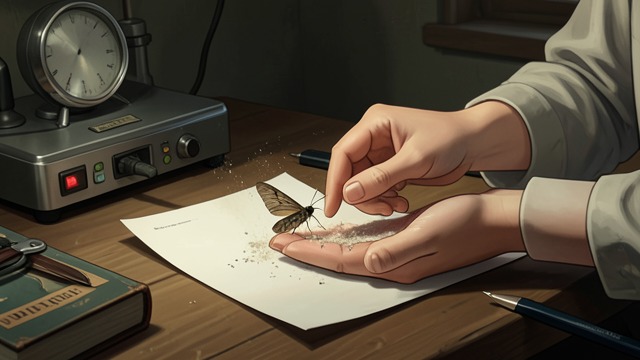
The Moth and the Past
A preserved fragment
Sayuri finds the moth she had wrapped and hidden during her first weeks in Gion. For a moment, its apparent stillness seems to offer proof that something from her past has remained unchanged.
The instant of change
When she touches the moth, it crumbles into ash. The discovery gives sudden physical form to the difference between keeping a memory and preserving what actually happened.
Turning toward a future
Sayuri recognizes that her parents and sister cannot be brought back, but that she herself remains alive. The moth’s disappearance helps her turn from waiting for a return to asking what future she can still make.
The War’s Unequal Losses
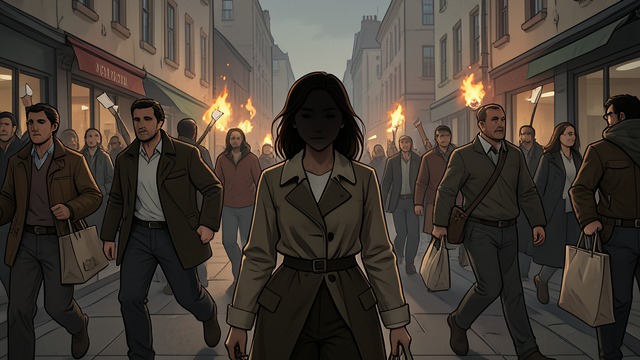
The War’s Unequal Losses
Survival without fairness
As war reaches the cities and factories, people Sayuri knows face radically different fates. Raiha and Miyagiyama die in the Tokyo firebombing, while others survive raids, forced labor, and displacement.
The collapse of prediction
Status and apparent safety do not reliably protect anyone. Sayuri learns that survival is not a reward for virtue or talent, and that no one can confidently read who will live through a war.
Grief within a collective history
The losses alter her understanding of hardship. Her own past suffering remains real, but it now exists beside the larger, unpredictable destruction experienced by the people around her.
Remembering the Chairman
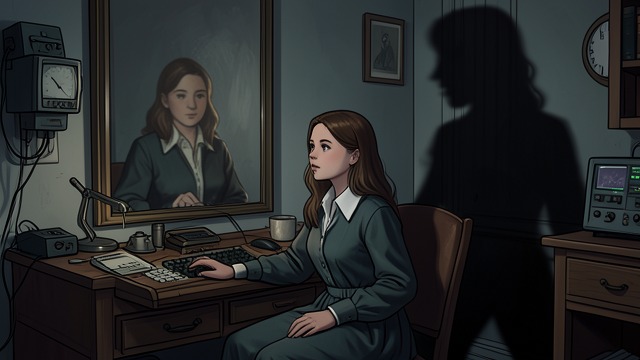
Remembering the Chairman
Anticipating another departure
Late in the Chairman’s life, Sayuri fears losing him as she once lost her parents. She recognizes the old ache of separation even while sharing a life with him and collecting memories of their years together.
Memory as inward presence
In a dream, she imagines drinking in the people who have died or left her. The image does not claim that loss is undone; it presents memory as a way the absent continue to shape the living.
An ending that cannot restore the past
The Chairman’s death comes at the natural end of his long life. Sayuri accepts the departure without pretending that it does not hurt, concluding that she retains him through the richness of what she remembers.
When Sayuri is six or seven, before her mother’s final illness
After the failed escape and the deaths of Sayuri’s parents
About a year after Sayuri receives the news of her parents’ deaths
During the later years of the Second World War
After the Chairman’s death, in Sayuri’s closing reflections
